
Table of Contents
- Understanding the Gut Microbiome
- The Microbiome’s Role in Human Health
- Diet’s Impact on Gut Microbiota
- Microbiome Dysbiosis and Disease
- Microbiome-Derived Metabolites
- The Gut-Brain Axis
- Therapeutic Applications
- Future Directions in Microbiome Research
Did you know that trillions of microscopic organisms residing in your gut might be influencing not just your digestive health, but potentially your mood, metabolism, and immune system too? The human gut microbiome—a complex ecosystem of bacteria, viruses, fungi, and other microorganisms—has emerged as one of the most fascinating frontiers in modern medical research. Once overlooked, these tiny inhabitants are now recognized as crucial players in our overall health and wellbeing.
Recent technological breakthroughs have revolutionized our understanding of this invisible world within us. From metabolic disorders to inflammatory bowel disease, from depression to colorectal cancer—scientists are uncovering surprising connections between our gut microbiota and numerous health conditions. Even more intriguing is how our daily choices, particularly what we eat, can dramatically reshape our microbiome within days, potentially shifting the course of our health for better or worse.
In this comprehensive exploration, we’ll dive into the intricate relationship between humans and our microbial companions. We’ll examine how the microbiome functions, its profound impact on various bodily systems, how diet shapes our gut ecology, and the promising therapeutic applications emerging from this research. Join us as we journey through the microscopic universe that might hold the key to personalized medicine and unprecedented approaches to health optimization. 🔬🦠💊
Understanding the Gut Microbiome

A. Composition and Diversity of Gut Bacteria
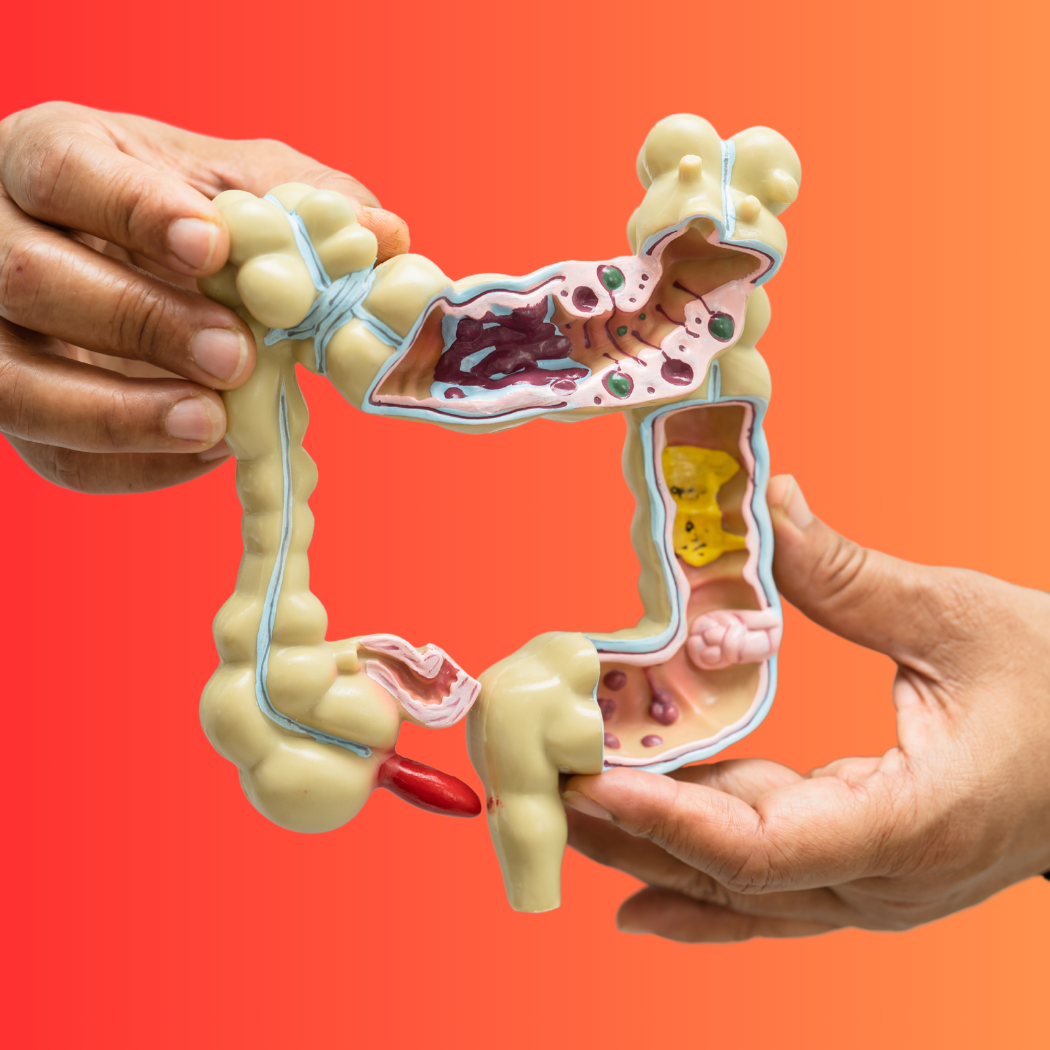
Your gut is home to trillions of microorganisms – mainly bacteria, but also viruses, fungi, and other microscopic neighbors. Together, they form what scientists call your gut microbiome.
Think about this: you’re carrying around 2-5 pounds of microbes in your gut right now. That’s about the weight of a small puppy!
These bacteria aren’t just hanging out with nothing to do. They’re busy breaking down foods, producing vitamins, fighting off invaders, and talking to your immune system. Each person’s microbiome is like a fingerprint – totally unique to you.
Most gut bacteria fall into these main groups:
- Firmicutes
- Bacteroidetes
- Actinobacteria
- Proteobacteria
The ratio between these groups matters big time for your health. When Firmicutes and Bacteroidetes get out of balance, research shows it might be linked to obesity and other health issues.
B. The Human Microbiome Project: Key Findings
The Human Microbiome Project changed everything we knew about our tiny passengers. This massive research effort mapped the microbes living in and on healthy humans, and the discoveries were mind-blowing.
Some eye-opening findings:
- We’re more microbe than human – bacterial cells outnumber our own cells
- Your microbiome contains about 3 million genes (compared to your mere 23,000)
- Healthy people can have wildly different microbiomes
- Your microbiome affects everything from digestion to mood
The project revealed how these microbes aren’t just passive residents – they’re active participants in your health story.
C. Factors Affecting Microbiome Stability
Your gut bacteria community isn’t set in stone. It’s constantly changing based on your life choices and environment.
Diet tops the list of influences. Eat a lot of fiber-rich plants? You’re feeding the good guys. Living on processed foods? You’re inviting troublemakers to move in.
Other major players that shake up your gut community:
- Antibiotics (they’re like dropping a bomb on your microbiome)
- Stress (your gut bacteria actually respond to your emotions)
- Sleep patterns (poor sleep = unhappy microbes)
- Age (your microbiome matures with you)
- Birth method and early feeding (sets the foundation)
Even where you live and who you live with affects your microbiome. Studies show people living together share similar gut bacteria – even with their pets!
The Microbiome’s Role in Human Health

Metabolic Functions and Nutrient Processing
Think of your gut microbiome as a bustling factory that never shuts down. These tiny workers break down foods your body can’t digest alone – like complex carbohydrates and fiber. Without them? Those nutrients would just pass through unused.
Your gut bacteria also produce essential vitamins you can’t make yourself. B vitamins, vitamin K – they’re cranking these out daily while you go about your business. Pretty impressive for organisms you can’t even see!
What’s really wild is how they transform bile acids, which helps your body absorb fats and fat-soluble vitamins. No properly functioning microbiome means poor absorption, which can lead to all sorts of nutritional issues down the line.
Immune System Development and Education
Your immune system and gut microbes have this fascinating relationship that starts practically from birth. Those first bacteria colonizing your gut? They’re teaching your immune cells what’s dangerous and what’s not.
About 70% of your immune system lives in your gut – no coincidence there! The microbiome trains immune cells like a coach works with athletes, helping them recognize the difference between harmful pathogens and harmless substances.
Kids who aren’t exposed to diverse microbes early on? They’re more likely to develop allergies and autoimmune conditions later.
Protection Against Pathogens
Your gut bacteria are the bouncers of your intestinal club. They don’t just stand around looking tough – they actively crowd out the troublemakers.
These beneficial bacteria compete for resources and space, making it harder for pathogens to gain a foothold. They also produce antimicrobial compounds that kill harmful bacteria directly.
When you take antibiotics, you’re not just killing bad bacteria – you’re taking out the security team too. That’s why people often get secondary infections after antibiotic treatment.
Diet’s Impact on Gut Microbiota

Effects of Different Dietary Patterns (Mediterranean, Western, etc.)
Your plate impacts your gut more than you think. The Mediterranean diet, rich in olive oil, fish, and colorful veggies, cultivates a diverse microbiome associated with reduced inflammation and better health outcomes. Contrast this with the typical Western diet—packed with processed foods, refined sugars, and low fiber—which creates a less diverse gut community linked to inflammatory conditions.
Studies show gut bacteria can change within just 24 hours of switching diets. People who eat Mediterranean-style have more Bacteroidetes and Prevotella species that help break down plant fibers. Western diet eaters? Their guts harbor more Firmicutes, which are efficient at harvesting energy from food—sometimes too efficient, contributing to weight gain.
Importance of Fermentable Fibers and Prebiotics
Think of prebiotics as the party food for your gut bacteria. These non-digestible fibers pass through your small intestine unchanged until they reach the colon, where microbes feast on them through fermentation.
The byproducts? Short-chain fatty acids like butyrate, propionate, and acetate that nourish your gut lining and regulate immune function. Foods like garlic, onions, bananas, and asparagus top the prebiotic charts.
Fiber diversity matters too. Different bacterial species prefer different fibers, so eating varied plant foods maintains a balanced microbial ecosystem.
Geographical Variations in Gut Microbiome
Your location shapes your microbiome dramatically. Hunter-gatherer communities in Tanzania show gut profiles wildly different from city-dwellers in New York.
Rural populations typically display greater bacterial diversity with abundant Prevotella (plant fiber specialists), while urban Western populations show Bacteroides dominance (animal protein and fat processors).
These differences aren’t just genetics—they reflect local diets, environmental exposures, and lifestyle factors. Japanese populations harbor unique seaweed-digesting bacteria absent in Western populations, gained through generations of seaweed consumption.
Microbiome Dysbiosis and Disease

A. Obesity and Metabolic Disorders
Your gut bugs might be making you fat. Sounds crazy, right? But it’s true. When your microbiome gets out of whack, your metabolism follows suit. People with obesity often have totally different gut bacteria compared to their slimmer friends.
Some bacteria are greedy – they extract every last calorie from food and store it as fat. Others mess with your hunger hormones, making you crave that extra cookie when you’re already full.
What’s really mind-blowing? Transplant gut bacteria from an obese mouse to a thin one, and watch as the thin mouse packs on pounds without changing its diet. That’s some powerful proof!
B. Inflammatory Bowel Disease and IBS
Got gut troubles? Your microbiome might be the culprit. In IBD conditions like Crohn’s and ulcerative colitis, the gut ecosystem looks like a barren wasteland – diversity crashes and inflammation soars.
With IBS, it’s more subtle but equally problematic. The wrong mix of bacteria can trigger those embarrassing bathroom emergencies and that bloating that makes you look six months pregnant.
The gut lining becomes leaky, letting things through that shouldn’t pass. Your immune system freaks out, and boom – chronic inflammation sets in.
C. Cardiovascular Conditions
Your heart and your gut bacteria are secret pen pals. Certain gut bugs can convert what you eat into compounds that clog arteries.
Take TMAO for example – when your microbes process red meat, they produce this nasty chemical that’s directly linked to heart attacks and strokes. Higher TMAO levels? Higher heart risk. Simple as that.
Blood pressure problems? Look at your microbiome. It influences inflammation, cholesterol metabolism, and even how your blood vessels function.
D. Mental Health Connections
That “gut feeling” is more scientific than you thought. Your gut and brain are constantly chatting through the gut-brain axis.
Depression, anxiety, even autism show links to microbiome patterns. Some gut bacteria produce feel-good compounds like serotonin – yes, the same chemical targeted by antidepressants.
Stress wrecks your microbiome, and a damaged microbiome amplifies stress responses. It’s a vicious cycle that explains why digestive issues and mental health problems often come as a package deal.
The coolest part? Changing your diet can shift your microbiome within days, potentially improving both gut and mental health simultaneously.
Microbiome-Derived Metabolites
Short-Chain Fatty Acids and Their Benefits
Your gut microbes aren’t just hanging out—they’re busy making stuff that keeps you healthy. Short-chain fatty acids (SCFAs) are their star products, mainly acetate, propionate, and butyrate. These tiny molecules pack a serious health punch.
Butyrate is the gut wall’s best friend. It feeds the cells lining your colon and strengthens those tight junctions that keep harmful substances from leaking into your bloodstream. When researchers talk about gut barrier function, they’re often talking about butyrate’s protective effects.
SCFAs also tame inflammation throughout your body. They activate special receptors called GPR41 and GPR43 that tell your immune system to chill out. This explains why people with inflammatory bowel disease often have lower SCFA levels.
Weight management? SCFAs help there too. They trigger hormones that make you feel full and rev up your metabolism. Studies show that people with obesity typically have different SCFA patterns than those maintaining healthy weights.
Bile Acids and Metabolic Regulation
Bile acids aren’t just digestive juices—they’re powerful signaling molecules transformed by your gut bacteria.
Primary bile acids leave your liver and head to your intestines. There, gut bacteria convert them into secondary bile acids through a process called deconjugation. These secondary forms are the real metabolic maestros.
They regulate:
- Blood sugar levels
- Fat storage
- Energy expenditure
- Cholesterol metabolism
This happens through nuclear receptors like FXR and TGR5. When activated, these receptors influence how your body handles fats and sugars.
Receptor Pathways and Signaling Mechanisms
The conversation between microbiome metabolites and your body happens through sophisticated signaling networks.
G-protein coupled receptors (GPCRs) detect SCFAs and trigger cascades of cellular responses. GPR41 influences energy regulation, while GPR43 modulates immune function. Butyrate specifically activates GPR109A, which has powerful anti-inflammatory and anti-cancer effects.
The TLR pathways recognize bacterial components and calibrate your immune response. When these receptors detect the right metabolites, they help maintain the delicate balance between fighting pathogens and preventing excessive inflammation.
The aryl hydrocarbon receptor (AhR) responds to tryptophan metabolites produced by gut bacteria. This interaction is crucial for maintaining intestinal immune function and barrier integrity.
These signaling pathways don’t work in isolation—they form an intricate network that connects your gut microbiome to virtually every system in your body.
The Gut-Brain Axis
The Gut-Brain Axis
Ever talked to your gut? Turns out it might be talking back. The connection between your digestive system and brain isn’t just about getting hungry or feeling butterflies when you’re nervous—it’s a complex two-way communication network scientists call the gut-brain axis.
Microbiome Influence on Neurological Function
Your gut houses trillions of microbes that do way more than help digest your lunch. These tiny residents produce neurotransmitters like serotonin and GABA—the same chemicals your brain uses to regulate mood and cognition.
Think about this: about 90% of your body’s serotonin is actually made in your gut, not your brain. When your microbiome gets out of whack, these neurotransmitter levels can fluctuate, potentially affecting how your brain works.
Links Between Gut Health and Mental Health
The gut-brain connection explains why stomach problems often show up alongside anxiety or depression. It’s not coincidence—it’s biology.
Studies show people with certain gut bacteria profiles have higher rates of anxiety and depression. And this relationship goes both ways—stress can alter your gut bacteria within hours, creating a feedback loop between your mental state and digestive health.
Implications for Mood Disorders
This gut-brain talk opens exciting possibilities for treating mood disorders. Some research shows probiotics might work as “psychobiotics,” potentially helping conditions like:
- Depression
- Anxiety
- Stress responses
- Cognitive function
Early studies suggest dietary changes and microbiome-targeted therapies could complement traditional mental health treatments. The food you eat might literally change how you feel emotionally—not just because cake tastes good, but because certain foods feed specific bacteria that influence your brain chemistry.
Therapeutic Applications
Fecal Microbiota Transplantation (FMT)
Think about this: your gut bugs could be medicine. That’s essentially what FMT is – taking healthy gut bacteria from a donor and transferring it to someone who needs it. Game-changing for C. difficile infections with a 90% success rate when antibiotics fail.
Doctors don’t just grab any poop though. Donors go through screening that’s more rigorous than blood donation. The process involves collecting stool from healthy donors, processing it in a lab, and delivering it to patients through colonoscopy, enema, or even pills.
FMT isn’t just a one-trick pony. Research shows promise for treating ulcerative colitis, Crohn’s disease, and even conditions we wouldn’t expect like autism, Parkinson’s, and obesity.
Probiotics and Prebiotics in Treatment
Your gut is like a garden – you need the right seeds (probiotics) and fertilizer (prebiotics).
Specific probiotic strains work wonders for different conditions:
- Lactobacillus rhamnosus GG reduces antibiotic-associated diarrhea by 42%
- Bifidobacterium infantis eases IBS symptoms better than placebo
- VSL#3 probiotic mix helps maintain ulcerative colitis remission
Prebiotics like inulin, FOS, and GOS feed your good bacteria. Studies show they can reduce inflammation markers, improve immune function, and even help with anxiety and depression.
Potential for Microbiome-Targeted Therapies
The microbiome drug revolution is happening now. Companies are racing to develop precision treatments targeting specific bacterial strains or their metabolites.
Bacterial consortia therapies deliver carefully selected bacterial communities to address specific conditions. Think of it as a designer ecosystem for your gut.
Phage therapy uses viruses that target harmful bacteria while leaving beneficial ones alone – like microscopic snipers taking out just the bad guys.
Metabolite-based treatments bypass bacteria entirely, directly delivering the beneficial compounds they produce. These include short-chain fatty acids that nourish colon cells and regulate inflammation.
The coolest part? These treatments could potentially address everything from metabolic disorders to neurodegenerative diseases. Your microbiome isn’t just about digestion – it’s a whole-body health system.
Future Directions in Microbiome Research
A. Personalized Nutrition Based on Microbiota Profiles
The future of gut health is personal. Really personal. We’re talking about diets tailored to your specific gut bacteria.
Your microbiome is as unique as your fingerprint. What works for your friend might bomb for you. That’s why cookie-cutter diets often fail.
Scientists are now mapping individual gut profiles to create nutrition plans that actually work for specific people. It’s not just about eating more fiber anymore – it’s about eating the right kinds of fiber that your specific gut bacteria can feast on.
Some companies already offer microbiome testing with dietary recommendations, but we’re just scratching the surface. Soon, your doctor might prescribe specific foods based on your gut bacteria patterns, especially if you have conditions like IBS or inflammatory bowel disease.
B. Developing Diagnostic Tools
Gut testing is getting a serious upgrade. Instead of waiting weeks for test results, new tools can spot microbiome imbalances in minutes.
Smart toilets (yes, really) that analyze your waste without you lifting a finger are moving from sci-fi to reality. These tools could catch disease markers before symptoms even appear.
The holy grail? Finding specific bacterial signatures that reliably predict diseases. Researchers have identified patterns linked to everything from depression to Parkinson’s disease.
C. Emerging Technologies for Microbiome Analysis
AI is revolutionizing how we understand the gut. Machine learning algorithms now spot patterns in microbiome data that humans would miss.
The price of sequencing gut bacteria has plummeted, making comprehensive testing more affordable. What cost thousands a decade ago now runs under $100.
Portable DNA sequencers the size of USB sticks can now analyze microbiome samples anywhere in the world. This technology is bringing advanced gut health analysis to remote communities that previously had no access.
Beyond bacteria, we’re finally paying attention to the gut virome and fungome – the viruses and fungi that influence your health just as much as bacteria do.
The gut microbiome represents one of the most exciting frontiers in medical research, revealing complex interactions that influence our overall health in ways we’re only beginning to understand. From metabolic regulation to immune function, mental health, and disease prevention, the trillions of microorganisms inhabiting our digestive tract play crucial roles that extend far beyond digestion. Research has demonstrated that dietary patterns, particularly those rich in diverse plant fibers, can positively shape our gut microbial communities, while Western diets often lead to dysbiosis and associated health complications.
As we look toward the future of microbiome research, the potential for personalized nutrition and microbiome-targeted therapies offers promising avenues for preventing and treating various conditions. By making informed dietary choices that promote microbial diversity and beneficial metabolite production, we can actively cultivate healthier gut ecosystems. Whether through traditional dietary modifications, prebiotics, probiotics, or innovative approaches like fecal microbiota transplantation, nurturing our gut microbiome may prove to be one of the most powerful strategies for optimizing health and preventing chronic disease in the years to come.






Leave a Reply