
Table of Contents
Ever experienced diarrhea shortly after being constipated? This seemingly contradictory situation isn’t just a strange coincidence—it’s actually a recognized medical phenomenon called paradoxical diarrhea. When hardened stool becomes impacted in your colon, watery stool can leak around the blockage, creating the illusion that your constipation has suddenly transformed into its opposite problem.
This frustrating cycle affects millions of people and can be particularly distressing when you don’t understand what’s happening in your body. Whether you’re dealing with occasional irregularity or a chronic condition like mixed-type IBS, the connection between these two digestive issues runs deeper than most realize. From inadequate fiber intake and dehydration to medication side effects and behavioral factors, the causes behind this intestinal seesaw are varied and complex. In this article, we’ll explore the surprising relationship between constipation and diarrhea, identify key symptoms to watch for, examine common causes, discuss effective treatments, and share prevention strategies to help you maintain healthy, regular bowel function.
Understanding the Connection Between Constipation and Diarrhea
The Phenomenon of Paradoxical Diarrhea
Paradoxical diarrhea occurs when severe constipation leads to watery stool leakage around impacted feces. This happens because the colon’s normal motility patterns are disrupted, particularly the high-amplitude propagated contractions (HAPCs) that are essential for proper bowel function.
How Fecal Impaction Causes Watery Stools
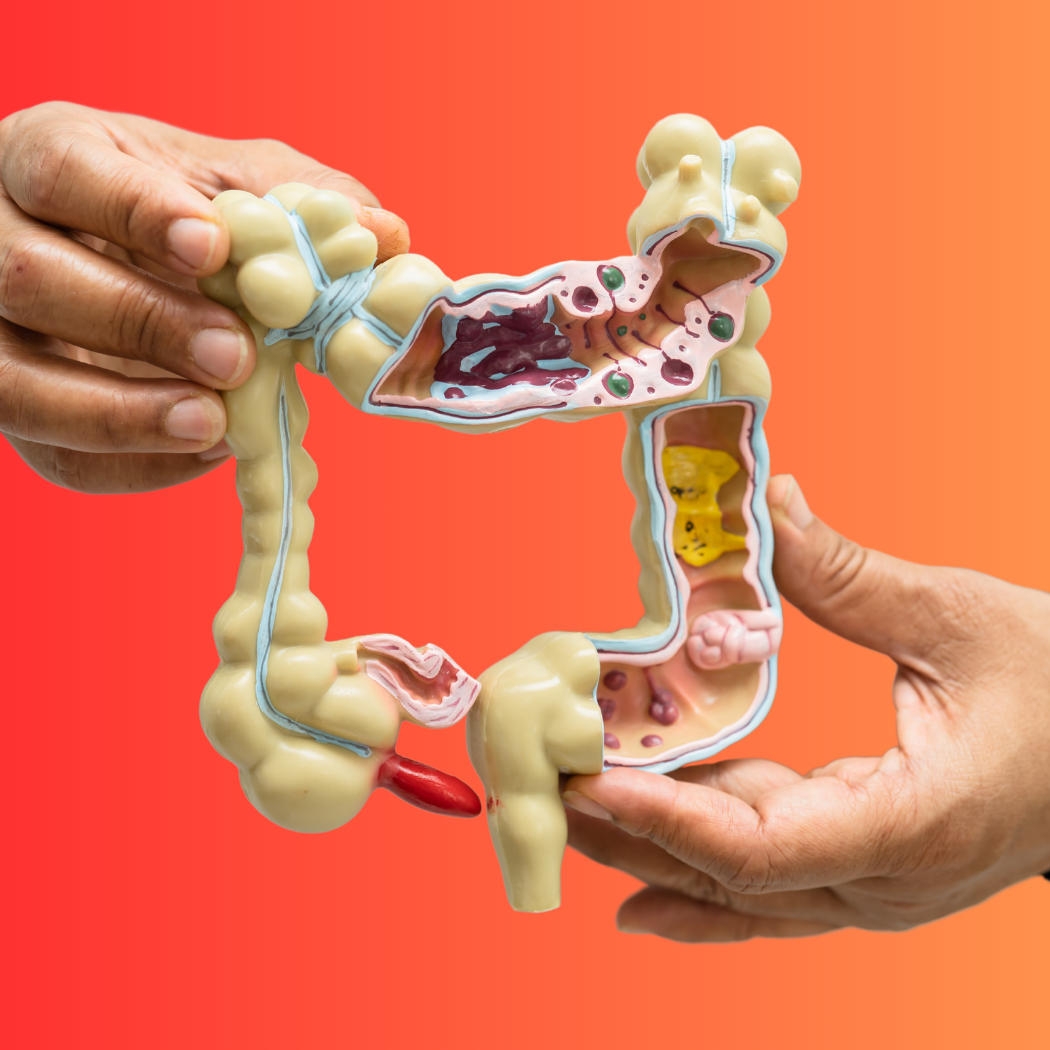
When hardened stool blocks the intestine, liquid stool may seep around the blockage, creating symptoms of diarrhea despite underlying constipation. This condition is often misdiagnosed as simple diarrhea, but actually stems from significant fecal impaction that requires addressing the constipation first. Next, we’ll explore the key symptoms to help you recognize when you might be experiencing this condition.
Key Symptoms to Recognize
Now that we understand the connection between constipation and diarrhea, let’s identify the key symptoms to watch for in both conditions.
Signs of Constipation
Constipation manifests as infrequent bowel movements (fewer than three per week), hard stools, and straining during defecation. Many people also experience abdominal discomfort, bloating, and a feeling of incomplete evacuation after using the bathroom.
Indicators of Paradoxical Diarrhea
Paradoxical diarrhea occurs when watery stool passes around hard, impacted feces in the colon. Key indicators include frequent watery stools despite constipation, a persistent feeling of incomplete evacuation, abdominal cramping, bloating, and nausea. This condition often follows periods of constipation and may be associated with mixed-type irritable bowel syndrome (IBS-M).
When Symptoms Require Medical Attention
While occasional bowel irregularities aren’t usually concerning, certain symptoms warrant immediate medical care. Seek help if you experience dehydration, blood in your stool, severe abdominal pain, or dizziness alongside constipation or diarrhea. Complications from chronic constipation can include rectal distention, loss of bowel control, and in severe cases, peritonitis.
With these symptoms in mind, next we’ll explore the common causes and risk factors that contribute to these digestive health problems.
Common Causes and Risk Factors
Now that we’ve explored the key symptoms, let’s examine what causes these bowel irregularities.
Dietary and Lifestyle Contributors
Inadequate fiber intake and dehydration are primary contributors to constipation, which can lead to paradoxical diarrhea. Physical inactivity also plays a significant role in disrupting normal bowel function.
Medication-Related Causes
Certain medications can trigger constipation and subsequent diarrhea episodes. These pharmaceutical effects often worsen existing digestive health problems.
Behavioral Factors in Children
Children may develop constipation by withholding bowel movements due to pain, creating a cycle of bowel dysfunction. This behavior can lead to paradoxical diarrhea as liquid stool leaks around impacted feces.
Impact of Laxative Dependency
Chronic use of stimulant laxatives can create dependency, exacerbating constipation and leading to fecal impaction. Non-stimulant and bulk-forming laxatives are generally safer for long-term digestive health management.
With these causes in mind, next we’ll explore effective treatment approaches for managing these alternating bowel conditions.
Treatment Approaches and Solutions
Now that we understand the common causes of bowel irregularities, let’s explore effective treatment approaches for these conditions.
Medical Interventions for Fecal Impaction
For severe constipation resulting in fecal impaction, medical intervention may be necessary. Treatment options include manual disimpaction performed by healthcare professionals, enemas to soften and flush out impacted stool, and prescription medications to relieve the blockage.
Safe Laxative Options
When selecting laxatives for constipation, it’s important to choose appropriate options. Non-stimulant and bulk-forming laxatives are recommended for long-term use, while stimulant laxatives should be used cautiously as they may cause dependency and worsen constipation over time.
Surgical Considerations for Severe Cases
Surgery is rarely needed but may be considered in extreme cases where other treatments have failed. This intervention is typically reserved for severe fecal impaction that doesn’t respond to conventional treatments or when complications arise. With proper treatment established, next we’ll explore prevention strategies for maintaining healthy bowel function.
Prevention Strategies for Healthy Bowel Function
Now that we’ve explored treatment approaches for constipation and diarrhea, let’s focus on preventing these digestive issues altogether. Prevention is often more effective than treatment for maintaining healthy bowel function.
Optimal Fiber Intake
Consuming adequate fiber is crucial for preventing constipation and subsequent paradoxical diarrhea. Aim for 25-30 grams of fiber daily from fruits, vegetables, whole grains, and legumes. Fiber adds bulk to stool, making it easier to pass while preventing impaction that can lead to alternating bowel movements.
Hydration Requirements
Proper hydration is essential for digestive health. Drinking 8-10 glasses of water daily helps soften stool and prevents hardening that can lead to impaction. Dehydration is a common cause of constipation, which can eventually trigger paradoxical diarrhea as fluid leaks around impacted stool.
Physical Activity Recommendations
Regular exercise stimulates intestinal contractions and promotes healthy bowel function. Even moderate activity like walking for 30 minutes daily can significantly reduce constipation risk. Physical movement helps food move through the digestive tract efficiently, preventing stasis and impaction.
Establishing Regular Bathroom Habits
Developing a consistent bathroom routine helps train your bowels for regular movements. Never ignore the urge to defecate, as this can lead to stool withholding, a significant factor in developing constipation and subsequent bowel dysfunction, particularly in children.
The intricate relationship between constipation and diarrhea highlights the complexity of digestive health. As we’ve explored, these seemingly opposite conditions can actually be connected through mechanisms like paradoxical diarrhea, where watery stool passes around impacted fecal matter. Understanding the symptoms, causes, and risk factors—from inadequate fiber intake to medication effects—empowers you to recognize when these digestive issues require attention.
Maintaining healthy bowel function doesn’t require complicated solutions. Simple lifestyle adjustments like increasing fiber intake, staying hydrated, and engaging in regular physical activity can significantly improve digestive health and prevent both constipation and diarrhea. If you experience persistent symptoms, especially when accompanied by concerning signs like dehydration or blood in stool, don’t hesitate to seek medical advice. Your digestive wellness is worth prioritizing—small, consistent changes today can lead to better gut health tomorrow.

Minimalist Gadget







Leave a Reply