
Ever stood in the supplement aisle, staring at protein powders, wondering why some cost twice as much as others? If you’re nodding your head, you’re not alone.
The difference often comes down to three little words: whey protein isolate.
It’s what serious athletes and fitness enthusiasts reach for when they want maximum protein with minimal extras. No fillers, less lactose, barely any fat – just pure protein doing exactly what protein should do.
I spent six months testing different proteins across my training cycles, and the results with isolate weren’t even close to the budget options.
But here’s what nobody tells you about whey protein isolate that completely changed how I time my intake for recovery…
Table of Contents
- What Is Whey Protein Isolate
- Benefits of Whey Protein Isolate
- Who Should Use Whey Protein Isolate
- How to Incorporate Whey Isolate Into Your Diet
- Choosing the Right Whey Isolate Product
What Is Whey Protein Isolate
The Science Behind Protein Isolation
Ever wondered how they make that ultra-pure whey protein isolate? It’s pretty fascinating. The isolation process starts with liquid whey (the stuff left over from cheese production) and puts it through a series of filtration steps.
Manufacturers use techniques like cross-flow microfiltration and ion-exchange chromatography to separate the protein from fats and lactose. Think of it as a super-fine sieve that only lets protein molecules pass through while trapping everything else. The result? A powder that’s about 90-95% pure protein.
What’s cool is how precise this process has become. Modern isolation methods can target specific protein fractions with beneficial properties while minimizing denaturing (which can damage protein structures).
Difference Between Whey Concentrate and Isolate
The main differences come down to processing and purity:
| Feature | Whey Concentrate | Whey Isolate |
|---|---|---|
| Protein content | 70-80% | 90-95% |
| Fat content | 2-7% | 0.5-1% |
| Lactose content | 4-8% | 0.5-1% |
| Price | More affordable | More expensive |
| Digestion | Can cause issues for some | Easier to digest |
| Flavor | Creamier, more milk-like | Milder, cleaner taste |
The big takeaway? Isolate gives you more protein with fewer calories from fats and carbs. If you’re cutting or have lactose issues, isolate is your friend.
Nutritional Profile: Macros and Micronutrients
A typical serving (25g) of whey protein isolate delivers:
- 22-24g protein
- 0-1g fat
- 0-1g carbohydrates
- 90-100 calories
Beyond just protein, quality isolates contain impressive micronutrients. They’re rich in calcium, phosphorus and potassium, plus B vitamins like B12 and riboflavin.
The real stars are the naturally occurring bioactive compounds – things like lactoferrin, beta-lactoglobulin and immunoglobulins that support immune function and overall health.
Most impressive is the complete amino acid profile. Isolate contains all nine essential amino acids, with especially high amounts of leucine, isoleucine and valine (BCAAs) that trigger muscle protein synthesis.

Benefits of Whey Protein Isolate
A. Muscle Growth and Recovery Support
Hitting the gym hard but not seeing results? Whey protein isolate might be your missing piece. This powerhouse supplement delivers a concentrated dose of protein directly to your muscles when they need it most.
After intense workouts, your muscles are literally crying out for protein to repair and grow. Whey isolate delivers essential amino acids, especially leucine, which triggers muscle protein synthesis – the process that makes your muscles bigger and stronger.
What makes it special? The rapid delivery system. Your body can utilize these proteins within 30 minutes of consumption, meaning your muscles start recovering almost immediately after your workout.
B. Weight Management Advantages
Trying to shed pounds? Whey isolate is your new best friend. It keeps you feeling full longer than carbs or fats, helping you naturally eat less throughout the day.
The magic happens because protein requires more energy to digest than other nutrients. Your body burns extra calories just processing it! Plus, maintaining muscle while losing weight? That’s the dream scenario whey isolate helps create.
Many people drop weight but lose muscle in the process. Not with whey isolate in your corner.
C. Faster Absorption for Optimal Results
Speed matters with protein, especially post-workout. Whey isolate skips the digestive waiting room and heads straight to your muscles.
Unlike other proteins that take hours to digest, whey isolate gets to work in 30-60 minutes. This rapid absorption means your recovery starts immediately, not hours later when the opportunity for maximum gains has passed.
For morning workouts or training sessions when you can’t eat a meal right away, this quick-acting protein prevents your body from breaking down existing muscle for energy.
D. Reduced Lactose and Fat Content
Stomach issues with regular protein powders? Whey isolate undergoes extra filtering that removes almost all lactose and fat.
With lactose content typically below 1%, even people with mild lactose sensitivity can usually enjoy whey isolate without discomfort. The minimal fat content (often less than 1 gram per serving) means you’re getting almost pure protein without unwanted extras.
This makes isolate the cleanest form of whey protein available – perfect for those tracking macros or with sensitive digestion.
E. Improved Protein Quality Score
Not all proteins are created equal. Whey isolate consistently scores at the top of protein quality measurements.
With a perfect 1.0 PDCAAS (Protein Digestibility Corrected Amino Acid Score), whey isolate contains every essential amino acid your body needs in the ideal proportions. This perfect amino acid profile means your body utilizes nearly 100% of what you consume.
Compare that to plant proteins, which typically score lower because they’re missing certain amino acids. Whey isolate simply gives you more bang for your protein buck.

Who Should Use Whey Protein Isolate
Fitness Enthusiasts and Athletes
If you’re hitting the gym regularly or competing in sports, whey protein isolate is your new best friend. With its higher protein concentration (90%+ versus 80% in concentrate), you’re getting more muscle-building power per scoop.
The rapid absorption rate means those amino acids reach your muscles faster after a workout – exactly when they need it most. Many athletes swear by the “anabolic window” – that critical 30-minute period post-workout when your body is begging for protein.
Plus, you won’t be dealing with bloating during training. Nothing worse than feeling like you’ve got a balloon in your stomach when you’re trying to crush your workout.
People with Lactose Sensitivity
Can’t handle regular dairy products? Most of the lactose gets stripped away during the filtration process for isolates.
While whey concentrate might leave you running to the bathroom, isolate typically contains less than 1% lactose – low enough that most sensitive folks can handle it without issues.
Those on Calorie-Restricted Diets
Cutting calories but don’t want to lose muscle? Whey isolate typically contains:
| Nutrient | Whey Isolate | Whey Concentrate |
|---|---|---|
| Protein | 90%+ | 80% |
| Fat | 0.5-1g | 4-8g |
| Carbs | 0-1g | 3-5g |
That’s practically pure protein with minimal extras eating into your calorie budget.
Individuals Seeking Quicker Recovery
Your muscles don’t grow during workouts – they grow during recovery. Whey isolate’s rapid digestion floods your system with amino acids right when muscle repair begins. This speed is particularly valuable if you’re training multiple times per day or need to bounce back quickly between sessions.

How to Incorporate Whey Isolate Into Your Diet
Optimal Timing for Consumption
Timing is everything with whey isolate. Your body craves protein most when your muscle fibers are damaged and screaming for repair – right after your workout. Within 30 minutes post-exercise is prime time, when your muscles are like sponges ready to soak up nutrients.
But morning protein hits different too. Adding whey isolate to your breakfast jumpstarts protein synthesis and keeps hunger at bay until lunch. Some lifters swear by a bedtime shake to prevent muscle breakdown during sleep.
Here’s what works best when:
| Timing | Benefits | Ideal For |
|---|---|---|
| Post-workout (30 min window) | Maximum muscle recovery | Everyone |
| Morning | Metabolism boost, appetite control | Fat loss goals |
| Between meals | Steady protein intake | Muscle building |
| Before bed | Overnight recovery | Heavy training days |
Delicious Recipes Beyond Basic Shakes
Sick of boring protein shakes? Try these instead:
Mix whey isolate into overnight oats with almond milk, cinnamon and berries for a grab-and-go breakfast. Protein pancakes are game-changers – just blend isolate into your batter.
My personal favorite? Protein ice cream. Blend frozen bananas, whey isolate, a splash of milk and your favorite mix-ins. I promise it tastes like the real thing.
For savory options, stir unflavored isolate into soups, mashed potatoes, or homemade hummus for a protein boost without changing the taste.
Combining with Other Supplements
Whey isolate plays well with others in your supplement stack.
Creatine and whey are the power couple of supplements – one builds strength, the other repairs muscle. Taking them together post-workout maximizes results.
BCAAs complement whey isolate perfectly during fasted training or when you need extra recovery support. Carb supplements create an insulin spike that helps shuttle protein to your muscles faster.
Some effective combinations:
- Whey + creatine + carbs post-workout
- Whey + greens powder for overall health
- Whey + digestive enzymes if you have sensitivity issues
Proper Dosage Guidelines
Most people do just fine with 20-30g of whey isolate per serving. That’s typically one scoop, but always check your product label.
Your daily needs depend on several factors:
- Body weight (0.7-1g protein per pound of bodyweight daily)
- Training intensity (harder training = higher needs)
- Goals (muscle building requires more than maintenance)
Spread your intake throughout the day rather than loading up all at once. Your body processes about 20-40g of protein optimally in a single sitting.
For serious lifters: try 2-3 servings daily, including one immediately post-workout. Just starting out? One serving after training is plenty to see results.
Choosing the Right Whey Isolate Product
A. What Quality Indicators to Look For
The supplement world is full of smoke and mirrors, but your protein shouldn’t be. When hunting for a top-notch whey isolate, check the protein content per serving first – it should be at least 90% protein by weight. That means a 30g scoop should give you 27g or more of protein.
Next, scan that ingredient list. Quality isolates keep it simple with minimal ingredients. If you can’t pronounce half the stuff on there, that’s your first red flag.
Amino acid profile matters too. A complete protein should have all nine essential amino acids, with leucine being particularly important for muscle building. The best products will actually break down their amino acid content right on the label.
B. Avoiding Common Additives and Fillers
Protein companies can be sneaky with what they put in your shaker. Watch out for:
- Artificial sweeteners: sucralose, aspartame and acesulfame potassium
- Vegetable oils and creamer (they’re just cheap fillers)
- Artificial colors (Yellow #5, Red #40)
- Maltodextrin (often hidden to boost the carb content)
- Soy lecithin (common but unnecessary)
Some brands play a dirty game called “amino spiking” – they add cheap amino acids to boost the protein content on the label without actually giving you complete protein. If you see lots of individual amino acids listed rather than whey protein isolate itself, walk away.
C. Understanding Third-Party Testing
Not all protein powders are created equal, and testing proves it. The supplement industry isn’t heavily regulated, so third-party testing is your best friend.
Look for certifications from:
- NSF Certified for Sport
- Informed Choice/Informed Sport
- USP Verified
These organizations test for banned substances, verify protein content claims, and check for contaminants like heavy metals. A brand confident in their product will proudly display these certifications.
Some companies also provide batch testing results right on their websites. This transparency speaks volumes about product quality.
D. Price vs. Quality Considerations
Good protein isn’t cheap, and cheap protein isn’t good. But that doesn’t mean you need to empty your wallet.
Premium whey isolate typically costs between $1.00-1.50 per serving. Anything significantly cheaper probably cuts corners somewhere. But paying more doesn’t automatically guarantee better quality either.
The sweet spot? Mid-range products from reputable companies that tick the quality boxes we’ve already covered.
Consider cost per gram of protein rather than cost per container. A slightly more expensive product might actually be cheaper if it contains more servings or higher protein content per serving.
Buying in bulk or subscribing to regular deliveries can knock 10-15% off the price at most retailers.
E. Popular Brands Worth Trying
These brands consistently deliver on their promises:
- Dymatize ISO100: Ultra-filtered for minimal lactose and carbs
- NOW Sports Whey Protein Isolate: Clean formula with no artificial ingredients
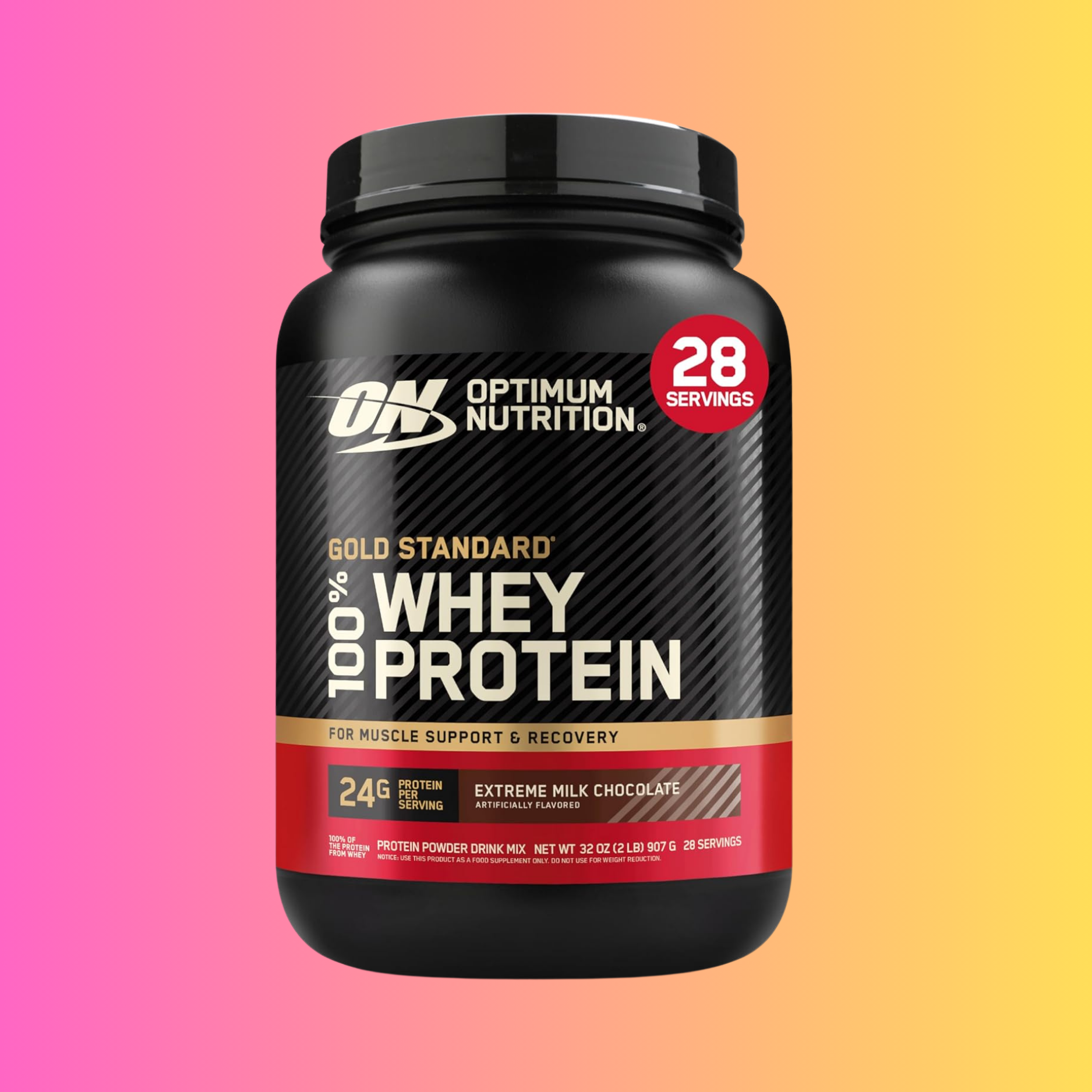
- Optimum Nutrition Gold Standard Isolate: Industry standard with solid third-party testing
- Transparent Labs Grass-Fed Whey Isolate: Sourced from grass-fed cows with no artificial additives
- MyProtein Impact Whey Isolate: Great value without sacrificing quality
The best brand for you ultimately depends on your specific needs, dietary restrictions, and flavor preferences. Most offer sample packets so you can try before committing to a full tub.
Whey protein isolate stands as a premier protein supplement for those seeking to enhance their fitness goals and nutritional intake. Its high protein concentration, minimal fat and lactose content, and impressive amino acid profile make it an excellent choice for muscle building, recovery, and overall health improvement. Whether you’re an athlete, fitness enthusiast, or someone with dietary restrictions, integrating whey isolate into smoothies, oatmeal, or baked goods can provide substantial nutritional benefits.
When selecting a whey isolate product, prioritize those with minimal additives, third-party certifications, and appropriate protein content for your needs. Remember that while whey protein isolate is a valuable supplement, it works best as part of a balanced diet rich in whole foods. By making informed choices about your protein supplementation, you can optimize your nutrition and support your health and fitness journey effectively.





Leave a Reply